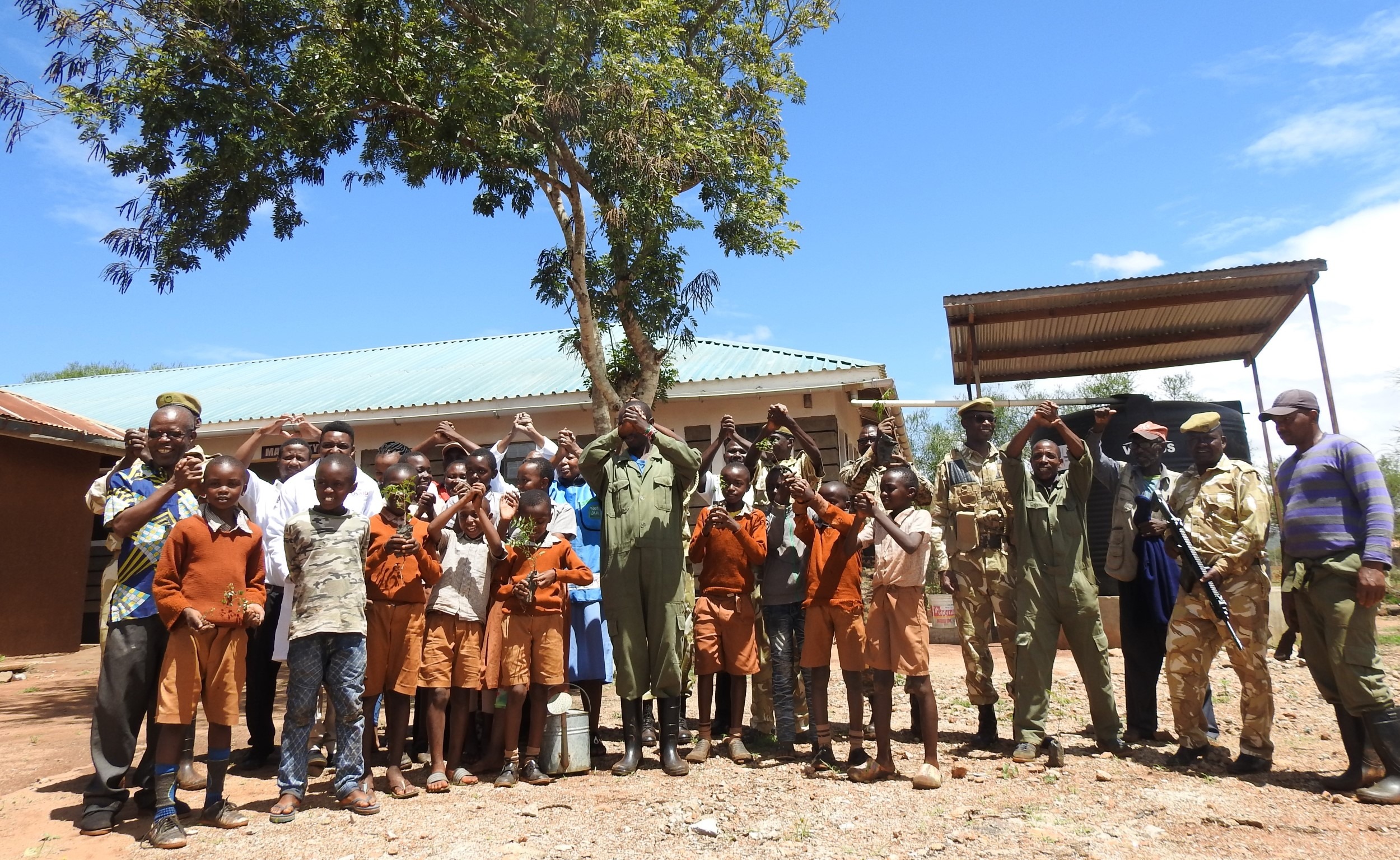
CWC Eco Rangers- Maktau Primary School
CWC Eco Rangers of Maktau Primary School planned for a Tree Planting activity at Maktau Police Base. They had made an indigenous seedbed at their school compound as part of
CWC Eco Rangers of Maktau Primary School planned for a Tree Planting activity at Maktau Police Base. They had made an indigenous seedbed at their school compound as part of
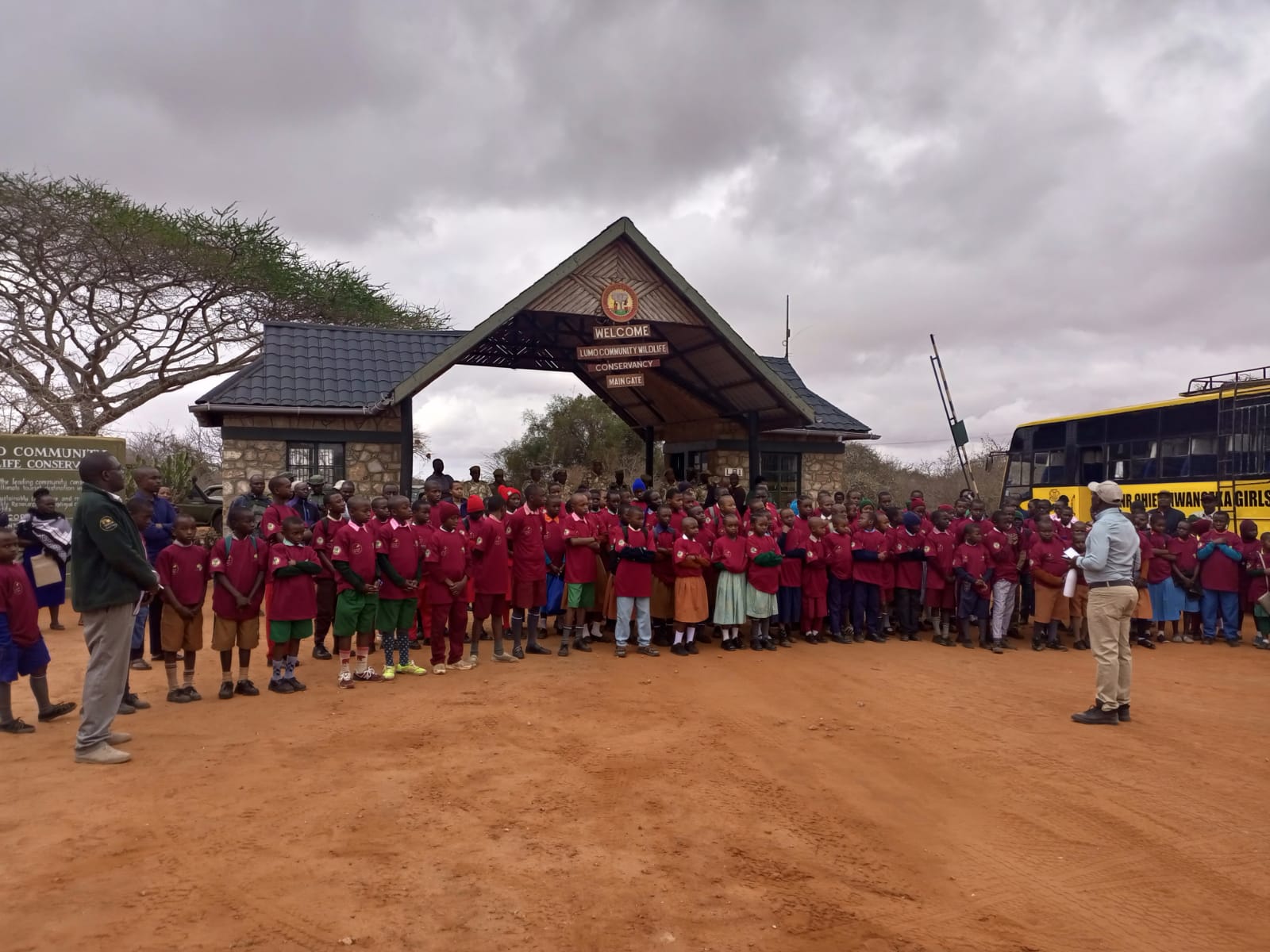
On 16, September 2023, Community & Wildlife Conservation, launched CWC Eco Rangers. A movement that involves primary school pupils from age 8 years to 15 years, to create awareness of
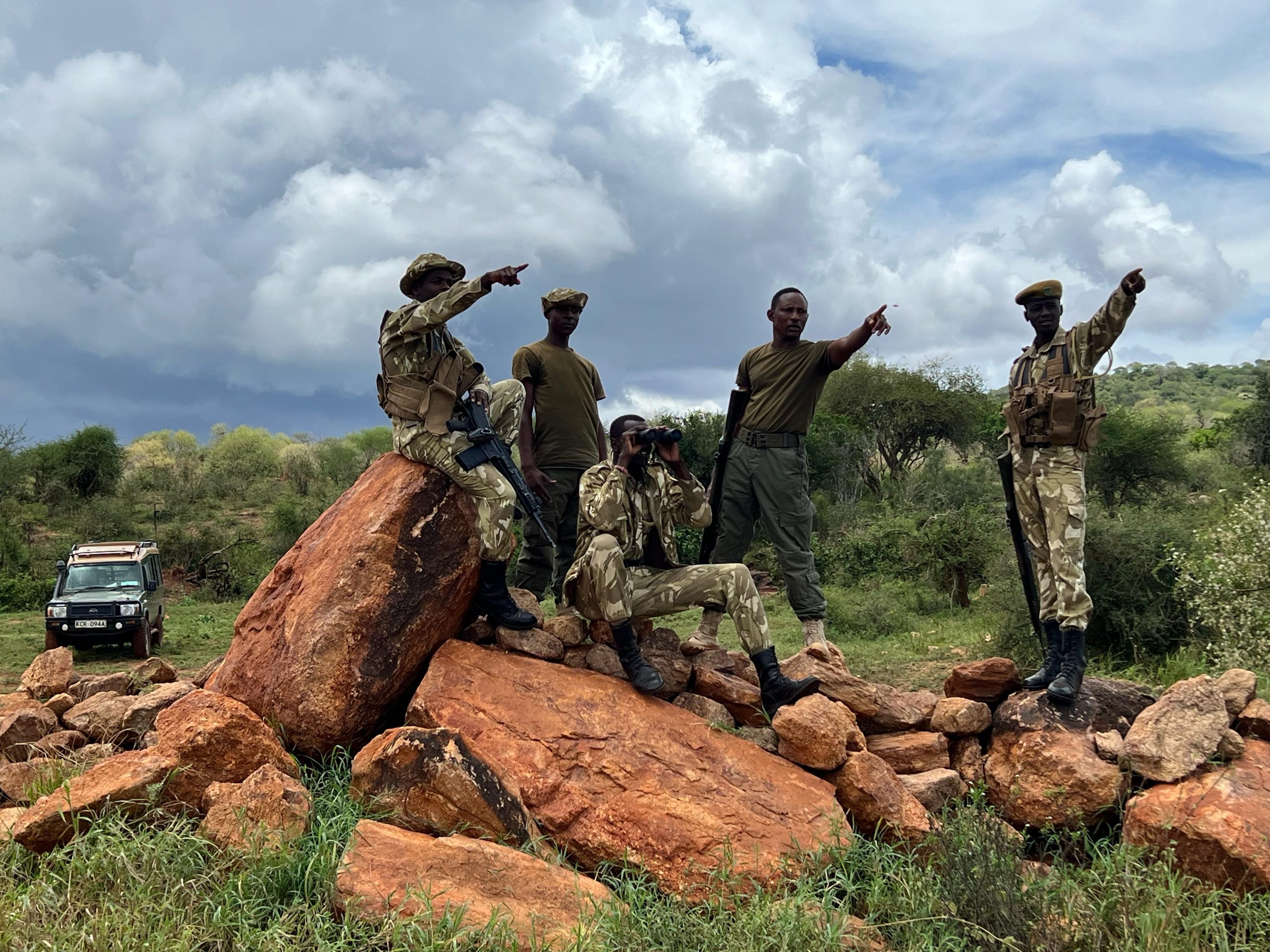
We take an active role in supporting wildlife conservation efforts within our region. During drought periods, we respond to the urgent needs of wildlife by providing critical resources such as
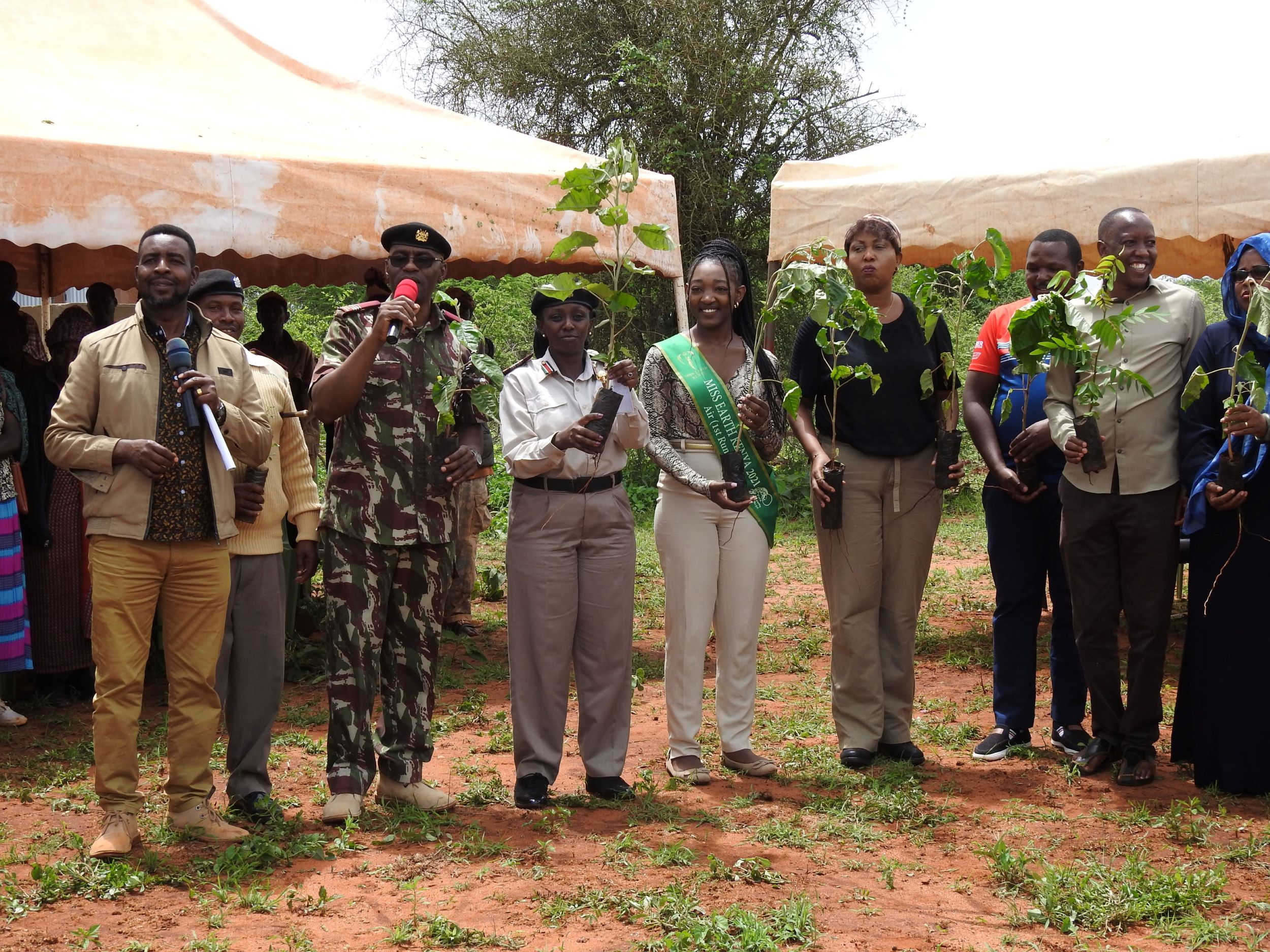
On 13th November, 2023, National Tree Growing Day, CWC participated in a tree planting activity at LUMO Community Wildlife Conservancy. CWC contributed 600 seedlings out of the 1400 seedlings that
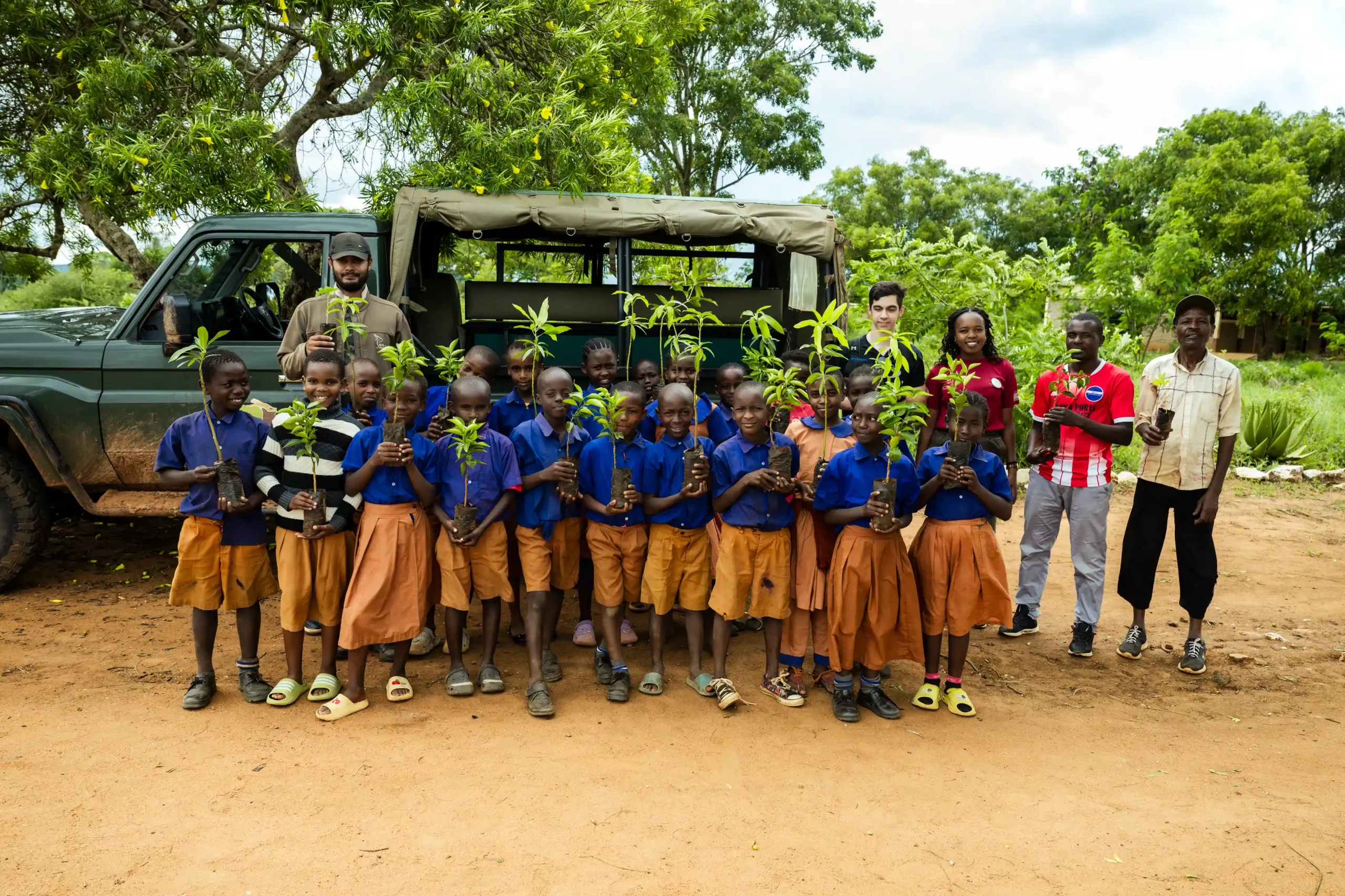
We are actively committed to environmental conservation through initiatives such as reducing plastic use, tree planting, and organizing community clean-up activities.
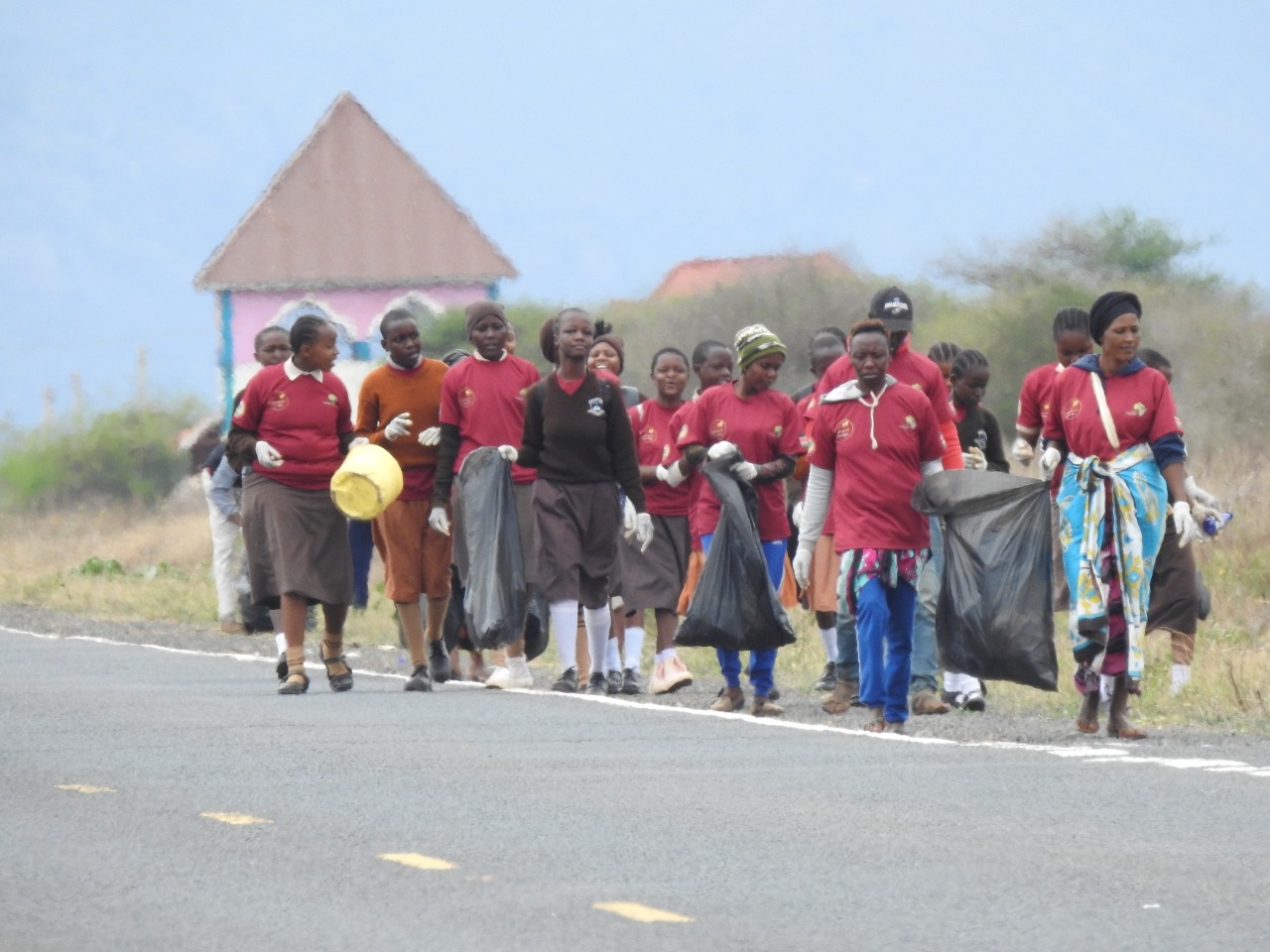
On Saturday, 10th February 2024, we conducted the clean-up at Archers’ post town, as well as launched the Plastics to Books project. We engaged 4 primary schools and 3 secondary
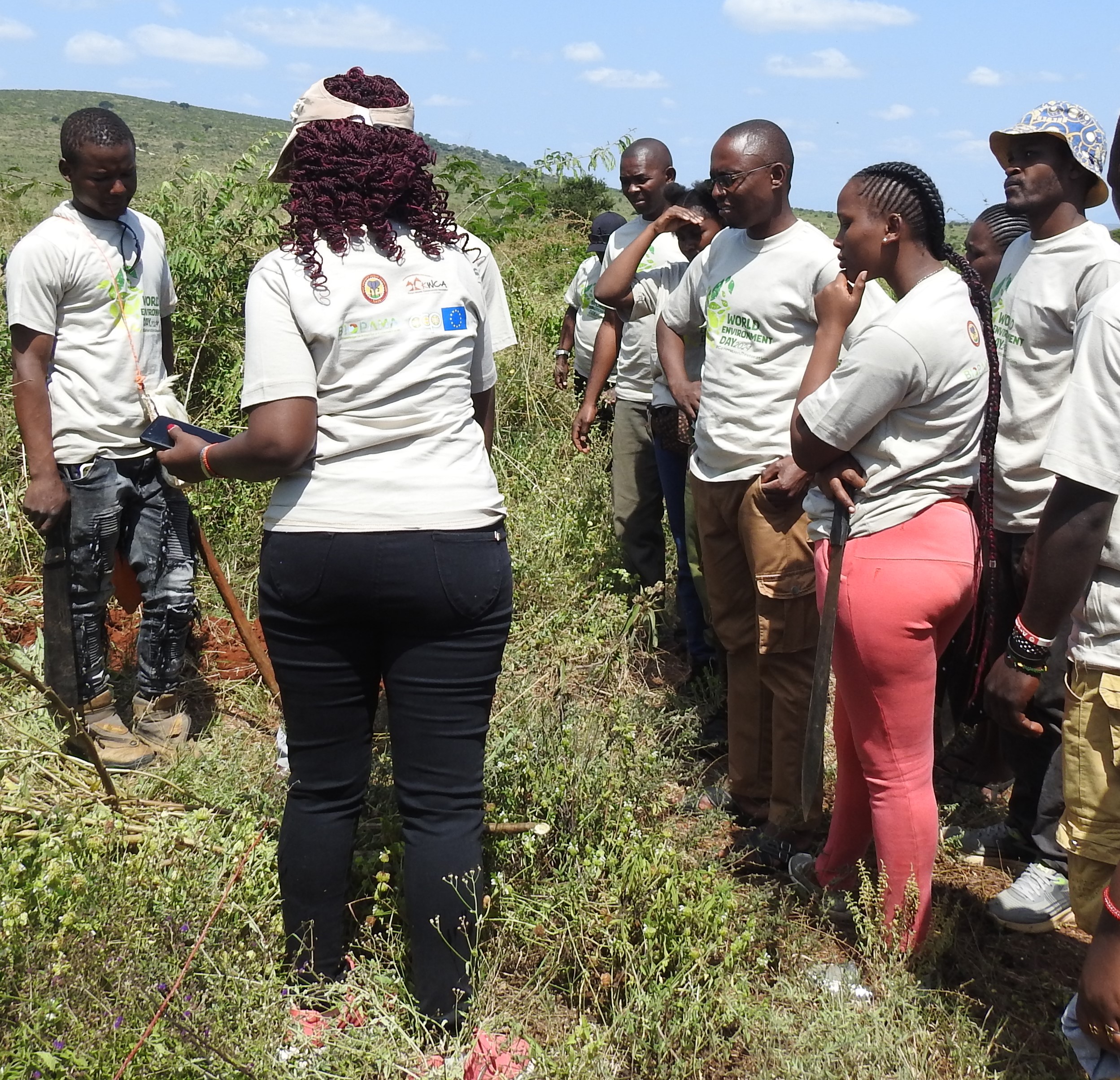
On June 5, 2024, Soroi Lions Bluff Lodge staff represented CWC to celebrate World Environment Day at LUMO Community Wildlife Conservancy, in weed removal, organized by LUMO Conservancy and other
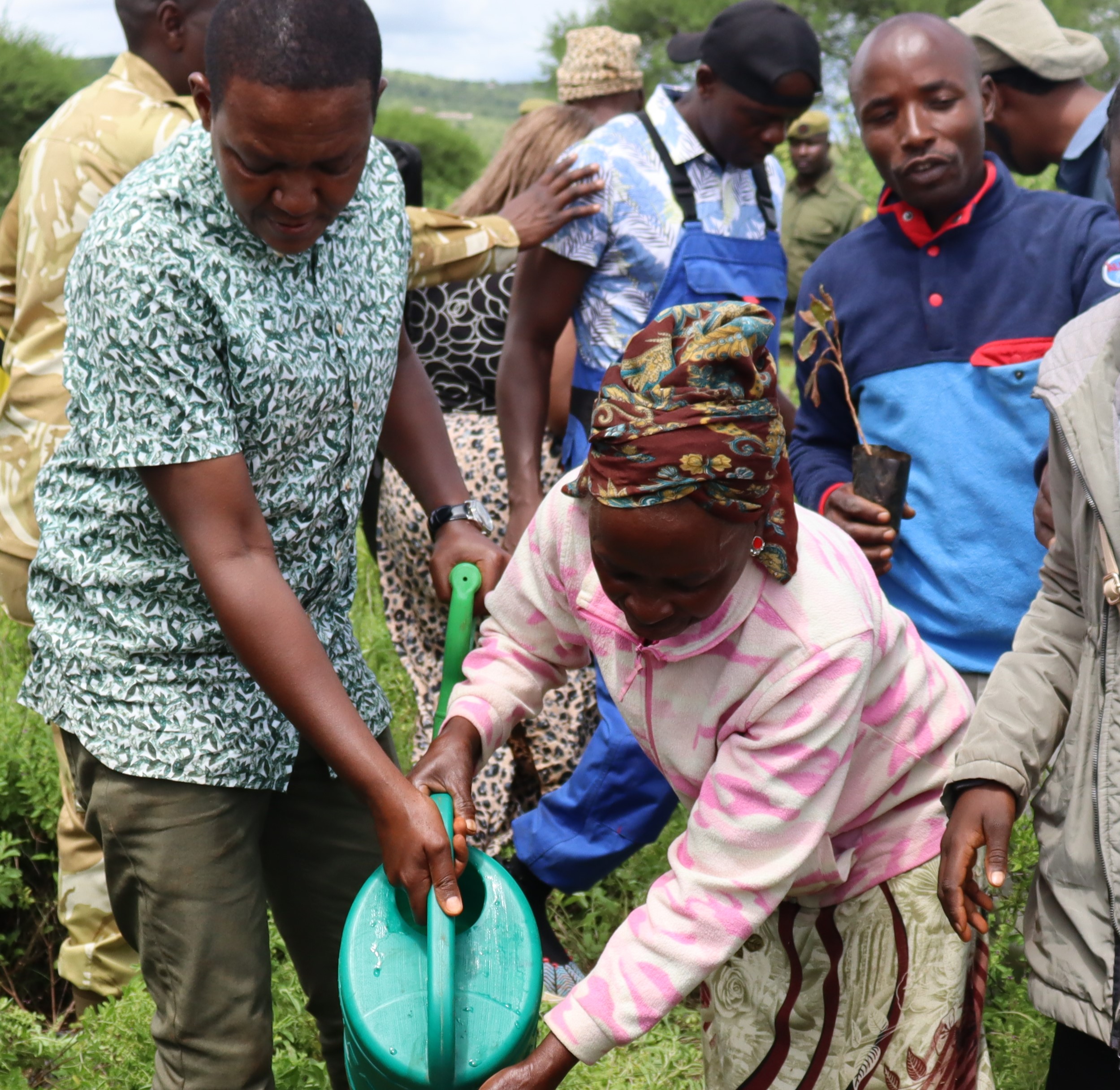
On May 10, 2024, CWC joined the ‘Tree Growing Day’ at LUMO Community Wildlife Conservancy. The activity was graced by Tourism and Wildlife Cabinet Secretary Dr. Alfred Mutua, in remembrance